Global Food Brands and the Culinary Trends Shaping Menus
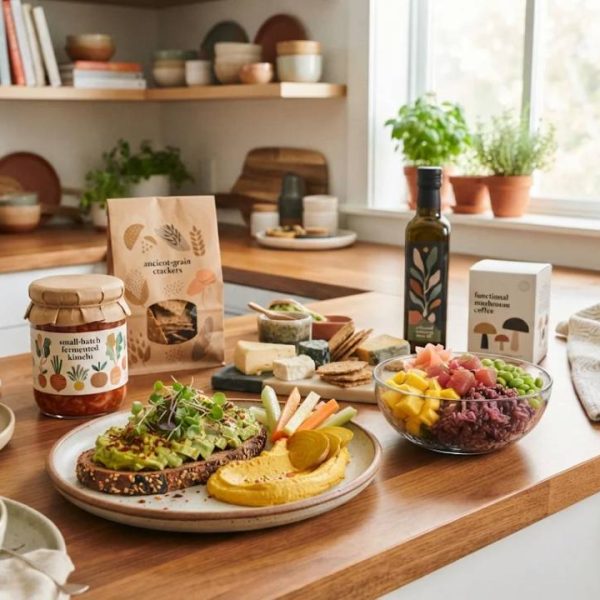
Open any supermarket shelf and you will see how global food has become. Korean sauces sit next to Italian pasta, plant-based snacks share space with classic chocolate, and brands that began in a single kitchen now sell on several continents. Understanding what drives these shifts helps shoppers, cooks and food businesses make smarter choices.
Why Food Brands Go Global
Growing middle classes, easier shipping and online shopping give food companies access to customers they could never reach before. Travel and streaming also introduce people to new flavors.
Taste curiosity is now an international habit, and brands that respond quickly gain loyal fans.
Plant-Based Eating Goes Mainstream
Vegan and flexitarian products have moved from specialty shops to every major retailer. Improved texture and taste attract people who simply want variety.
Brands now compete on ingredients, sustainability claims and price rather than novelty alone.
Regional Cuisines Get Their Moment
Dishes once unknown outside their homeland, such as Peruvian ceviche, Georgian khachapuri or Filipino adobo, now appear on menus worldwide. Chefs and home cooks explore authenticity and local ingredients.
Travel stories and social media accelerate the trend.
Fermentation and Gut Health
Kimchi, kefir, miso and kombucha attract shoppers interested in digestion and traditional methods. Producers highlight probiotics, small batches and heritage.
Look for clear labeling, since marketing terms vary widely.
Snacking Replaces Set Meals
Busy schedules push consumers toward portable, protein-rich and healthier snacks. Brands respond with smaller packs, new flavors and functional ingredients.
Observe how portion size and price positioning shape perception.
Convenience With Quality
Meal kits, frozen gourmet dishes and ready sauces promise restaurant flavors at home. Success depends on freshness, simple instructions and honest descriptions.
Shoppers read reviews carefully before repeating a purchase.
Sustainability Claims Under Scrutiny
Packaging, sourcing and carbon footprint matter to many buyers. Vague claims frustrate them, while specific data and certifications build trust.
Organizations such as the Food and Agriculture Organization publish reports on food systems, supply and nutrition that inform the debate.
Labels Must Speak the Local Language
Ingredients, allergens, nutrition tables and storage instructions are legal requirements in most countries. Incorrect translations can cause recalls, fines and health risks.
Exporters to Southeast Asia often rely on expert indonesian food label translation to meet regulations and customer expectations.
Names and Flavors Need Testing
A product name that sounds appetizing in one language may sound odd or unfortunate in another. Flavor descriptions also vary, since sweet, spicy and savory carry different cultural meanings.
Test names and taglines with local consumers before launch.
Social Media Shapes Appetite
Short videos, recipes and influencer reviews drive trends overnight. Brands that join the conversation with local voices perform better than those posting identical content everywhere.
Our overview of multilingual social media marketing explains how food companies adapt tone and timing across markets.
Direct-to-Consumer Brands
Small producers sell sauces, spices, coffee and snacks directly through online stores. They tell personal stories and offer subscriptions.
Reliable delivery and clear communication matter as much as flavor.
Authenticity and Fusion
Consumers value traditions but also enjoy creative combinations. The line between respectful fusion and careless imitation depends on knowledge, credit and quality.
Brands that collaborate with chefs from the original culture often gain credibility.
Price, Inflation and Value
Rising costs affect what shoppers buy. Private-label products and bulk packs gain share, while premium brands justify higher prices with ingredients and story.
Watch how companies communicate value without lowering quality.
Health Claims and Regulation
Terms like natural, low sugar or high protein follow strict rules in many countries. Marketing teams must check local definitions before using them.
Clear, honest packaging helps avoid penalties and builds trust.
Restaurants and Retail Influence Each Other
Menu hits become frozen products, and supermarket favorites inspire restaurant dishes. Chefs launch sauce lines, and brands open pop-up kitchens.
This feedback loop speeds up trends.
Tips for Curious Shoppers
Read ingredient lists, try small sizes first and check origin information. Support brands that explain their sourcing.
Share discoveries with friends and compare flavors.
What Food Businesses Should Do
Study local tastes, adapt recipes where needed, respect regulations and invest in accurate communication. Build relationships with distributors and chefs.
Patient market entry usually beats rushed expansion.
Looking Ahead
Expect more personalized nutrition, creative use of by-products and technology in production and delivery. Authentic stories and clear information will remain valuable.
The tastiest trend is curiosity, and it shows no sign of slowing.
Street Food and Markets
Night markets and food trucks remain testing grounds for new ideas. Vendors adapt quickly, and successful dishes later reach restaurants and packaged goods.
Visiting local markets is still one of the best ways to understand real taste.
Coffee, Tea and Drinks
Specialty coffee, matcha, craft sodas and low-alcohol options show how beverage trends move across borders. Origin stories and brewing methods become part of the appeal.
Packaging design and clear descriptions help shoppers choose confidently.